Well Drilling Basics
Well drilling is a crucial process for accessing groundwater, especially in areas where surface water is scarce. The technique varies in complexity from simple hand digging to advanced mechanical drilling. In this process, various materials and technologies are deployed to reach the water table, ensuring individuals and communities have a reliable water supply.
The foundation of well drilling lies in understanding geology and hydrology. Knowing where aquifers are located is essential for efficient drilling practices. Additionally, drilling methods must be chosen based on soil conditions to optimize water extraction without causing damage to the surrounding environment.
Modern well drilling often incorporates innovations such as rotary driller systems and computer-assisted technology. These improvements increase efficiency and reduce the time required to access deep groundwater sources, which is vital for agriculture and personal use in many regions.
The Importance of Water Wells
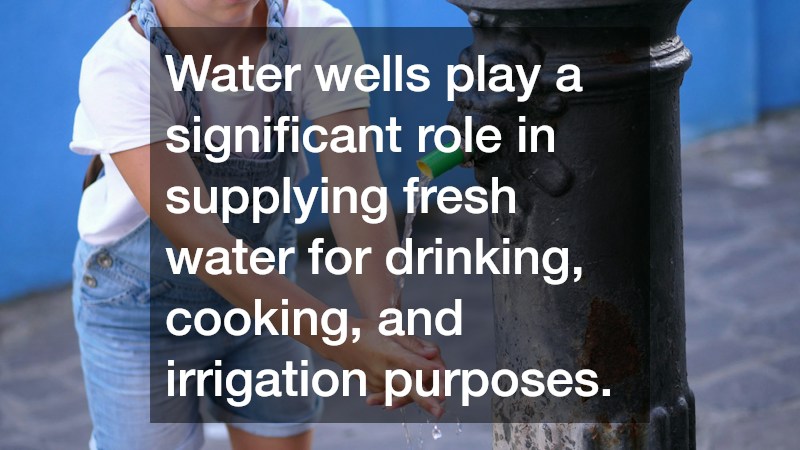
Water wells play a significant role in supplying fresh water for drinking, cooking, and irrigation purposes. For many rural communities, wells are often the primary source of water. By tapping into underground aquifers, these wells provide an essential resource that can be both reliable and sustainable.
Moreover, in regions facing water scarcity or unreliable municipal supply, having a well can be a lifesaver. It ensures independence from external water sources and supports local agriculture, which is critical for food security. Understanding the importance of well drilling can contribute to better management practices for water resources.
Not only do wells support domestic needs, but they also help maintain local ecosystems. By allowing the groundwater table to remain balanced, they prevent soil erosion and other environmental degradation issues, underscoring the need for responsible drilling practices.
Types of Well Drilling
There are several methods of drilling wells, each suited to different geological conditions. The most common methods include rotary drilling, auger drilling, and cable tool drilling. Rotary drilling, for instance, is efficient for reaching deep aquifers and is widely used in urban settings due to its speed and precision.
On the other hand, auger drilling is a more straightforward method typically used for shallower wells. This technique is less costly and can be done with minimal equipment, making it accessible for many property owners. Understanding the types of drilling is essential for selecting the right method for specific requirements.
Cable tool drilling is one of the oldest techniques and is still utilized today, especially in areas with hard rock. It employs a heavy drill that repeatedly breaks and loosens the soil, allowing for water extraction. Each method has its unique advantages and limitations, impacting the overall success of well drilling projects.
Choosing the Right Well Drilling Method
Selecting the appropriate well drilling method depends on various factors, including local geology, water needs, and budget constraints. Professionals often conduct geological surveys before drilling begins to ensure that the chosen method aligns with the land’s characteristics. This pre-drilling phase is crucial for reducing risks associated with unsuccessful drilling efforts.
Budget considerations also play a significant role in determining the drilling method. Some techniques may require more expensive equipment and longer operational time, impacting the overall cost of well construction. Property owners should weigh their options carefully and consider long-term water needs when making a decision.
The drilling site location is another critical aspect—proximity to existing water sources and accessibility can influence the choice of method. Consulting with experienced well drilling professionals can help streamline this process, ensuring that the best strategy is adopted for successful outcomes.
Well Maintenance and Management
Maintaining a well is crucial for ensuring a safe and reliable water supply. Regular inspections and maintenance practices can prolong the life of a well and enhance its efficiency. It is advisable to check for contaminants and monitor the water quality periodically, which helps in maintaining health standards.
Moreover, sustainable management practices, such as regulating water usage and preventing over-extraction, are vital. This ensures that the aquifer remains viable for future generations. Owners should be educated on the potential impact of their water extraction on local water tables and ecosystems.
In many cases, well owners may benefit from professional management services. Experts can provide valuable insights into optimal well practices, ensuring that users maximize their water resources without compromising quality or sustainability.
Well drilling represents a vital solution for accessing fresh water in various environments. Understanding the nuances of this process can significantly improve water management practices and ensure sustainable utilization of this precious resource. With advancements in technology, well drilling continues to evolve, offering efficient solutions to water scarcity challenges.
Regular maintenance and the correct choice of drilling methods can enhance longevity and efficiency, contributing to environmental conservation. As communities face increasing pressure on their water resources, well drilling will remain a lifeline for those seeking to secure their water supply.
So while well drilling is not just a technical procedure, it is an integral aspect of sustainable living and environmental stewardship. By educating and empowering individuals on this subject, we can foster a future of responsible water usage and conservation.